Overview: how damage starts
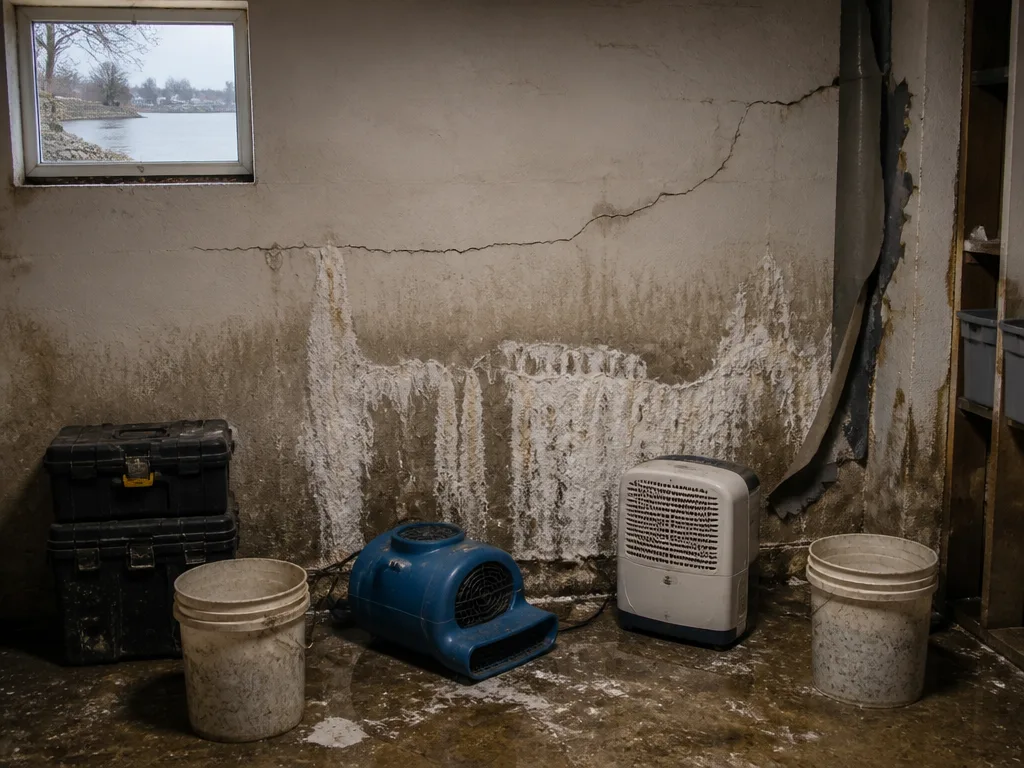
Water trouble rarely shows up all at once. A small leak behind a wall or a damp corner in a basement can set off a chain of problems that aren’t obvious at first glance. Across Massachusetts, restoration specialists see recurring warning signs that point to hidden moisture. Recognizing these cues early helps homeowners limit spread and costs.
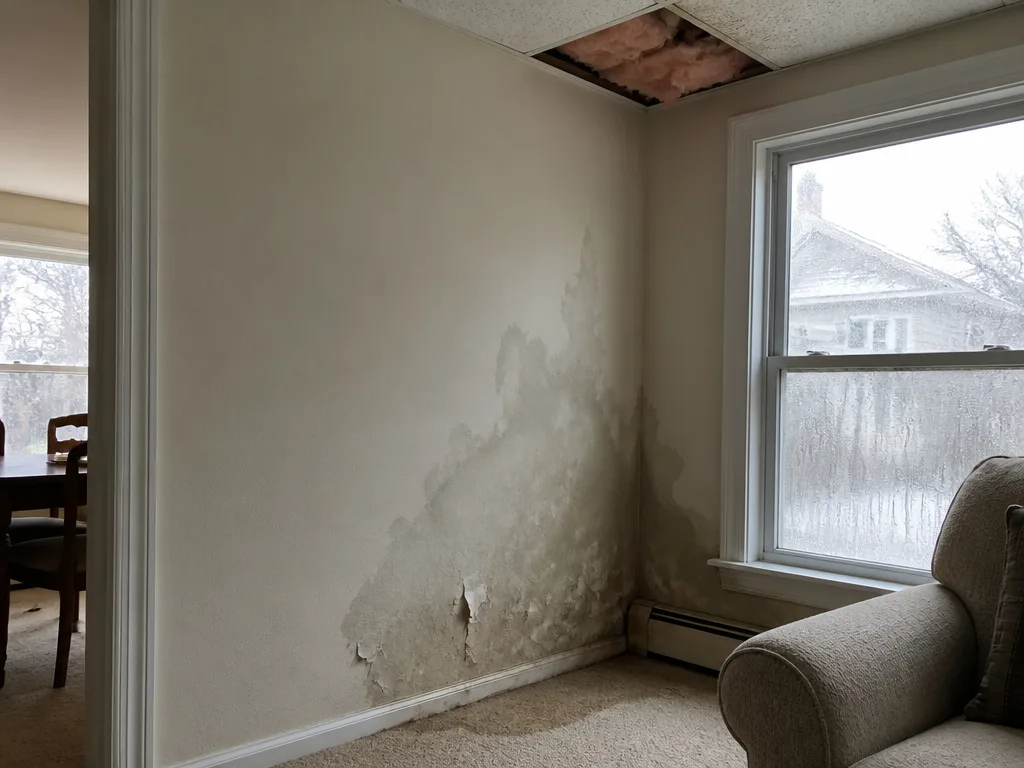
Signs aren’t always dramatic. They’re often subtle, like a musty smell, new stains on ceilings, or paint that bubbles after a rainstorm. These cues mean moisture is moving somewhere it shouldn’t. Our crews in every Massachusetts metro report that acting quickly makes a real difference in the outcome of a restoration project.
Key indicators to watch for
Here are practical warning signs you can spot in your home: a persistent damp smell, dark or stained patches on walls or ceilings, peeling or bubbling paint, warped baseboards, or higher than normal humidity readings on a simple indoor gauge. If you notice any of these, it’s time to call a restoration specialist for an assessment.
Another common signal is unexplained mold growth in corners, under sinks, or behind appliances. While mold can appear in many forms, its presence almost always means moisture intrusion. Do not try to diagnose it yourself. A professional assessment helps pinpoint the moisture source and the extent of impact across Massachusetts homes.
What the inspection looks like
Massachusetts Water Pros prioritizes a thorough, state-wide approach. A restoration specialist will begin with a visual check and then use moisture meters to map humidity levels throughout the affected area. We look for hidden pockets behind walls, under floors, or in crawl spaces. Our goal is to find the source, not just the symptoms, so we can guide you to a proper, long-lasting solution.
Expect a written plan that explains the moisture pathway, the affected materials, and a realistic timeline. In many cases a combination of drying, containment, and controlled demolition is used to prevent further damage. The plan will also cover safety measures for your family and home during the process.
What you should do now
Acting quickly reduces damage. If you spot warning signs, shut off the affected area if you can do so safely, reduce foot traffic, and avoid moving water-damaged materials. Call a restoration specialist who works statewide in Massachusetts for a written assessment and next steps. Early engagement helps protect your home and your bottom line.
Keep a simple log: note dates of signs, take photos, and list nearby rooms affected. This helps the restoration specialist gauge how far moisture has traveled and plan the scope of work across Massachusetts.
Related steps you might consider
- Document moisture with photos before any mitigation steps.
- Prepare access to affected spaces so crews can work efficiently.
- Secure important documents and valuables from the damp areas.