Understanding the boundaries
DIY remedies can help with minor surface issues, but moisture problems often hide behind walls and under floors. A restoration specialist brings moisture meters, controlled drying equipment, and an experienced eye that can prevent bigger damage. Across Massachusetts, homeowners benefit when they differentiate quick, small fixes from professional interventions.
When DIY is reasonable
Small, recent spills that are localized and quickly addressed with moisture-absorbing methods or fans may be manageable by a homeowner. If you have a minor ceiling spot after a single rain and the area is dry within a day or two, it may be a temporary issue. Keep an eye on it and document changes.
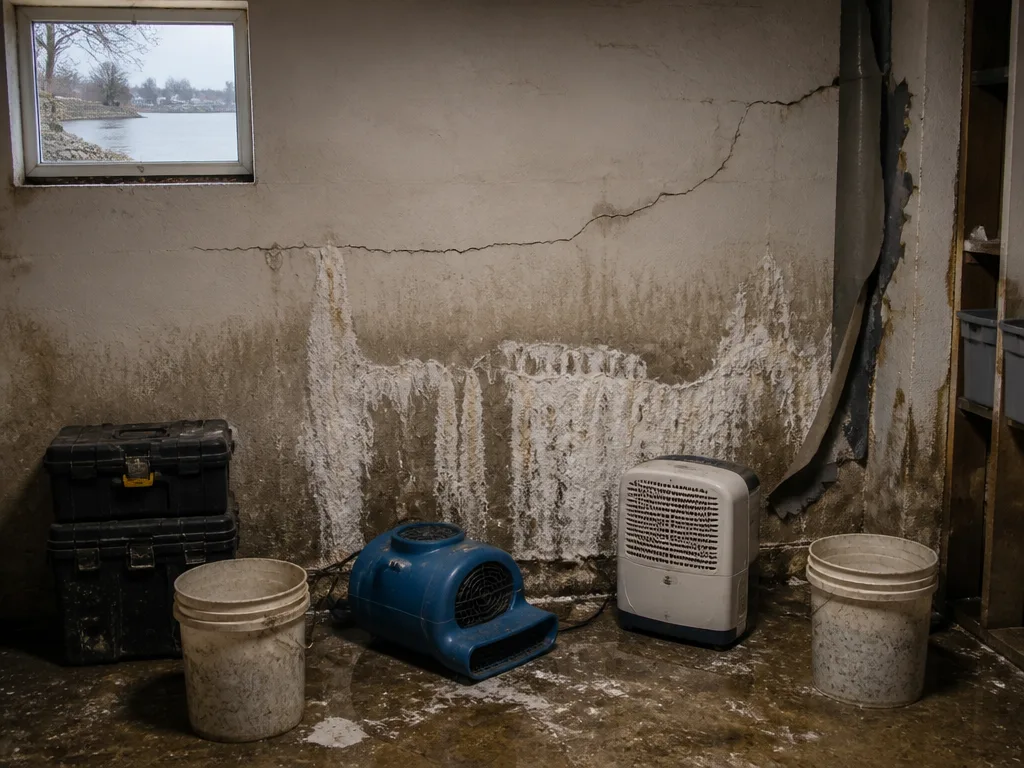
Effective DIY steps include removing standing water, drying surfaces with clean towels, and reducing humidity with portable dehumidifiers in the immediate area. If you choose to DIY, avoid disturbing hidden moisture under flooring or behind walls; this can spread damage or push moisture into new areas.
When to call a restoration specialist
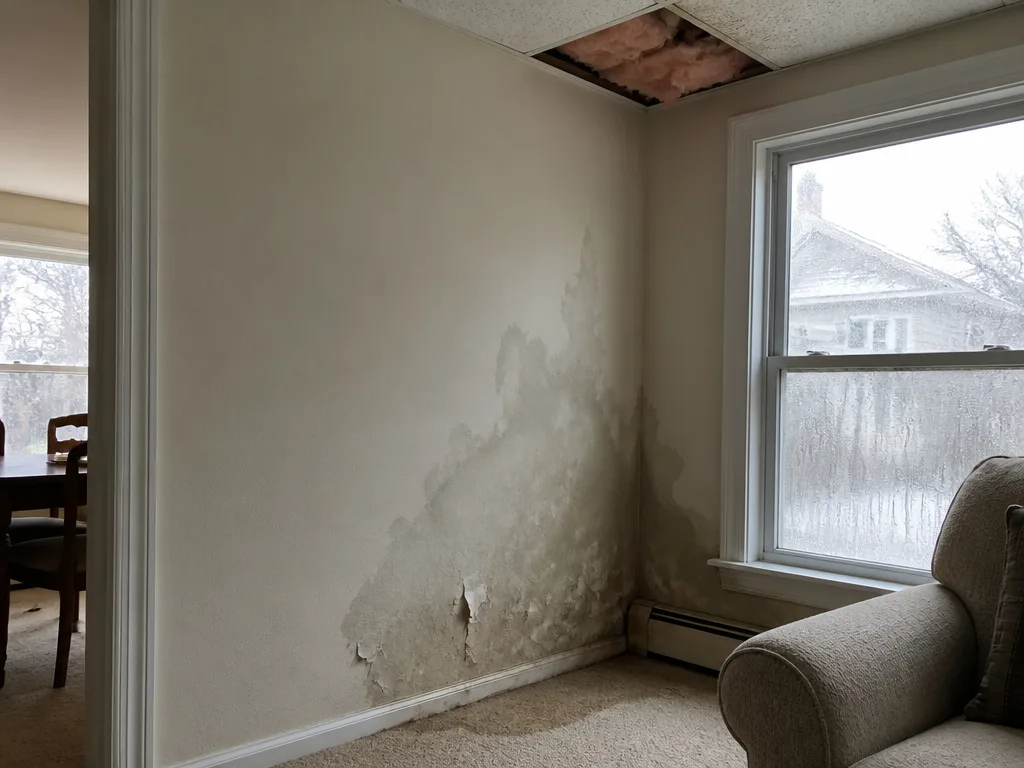
Call a restoration specialist when moisture covers larger areas, recurs after drying attempts, or you notice mold, mildew, or a persistent odor. In Massachusetts homes, repeated dampness after storms or seasonal changes is a signal to involve professionals who can map moisture across the structure and stop the cycle.
A professional assessment will typically include a documented plan, with a clear scope of work and a realistic timeline. The goal is to restore conditions safely and prevent secondary issues like warped materials or hidden mold pockets.
What to expect from a statewide assessment
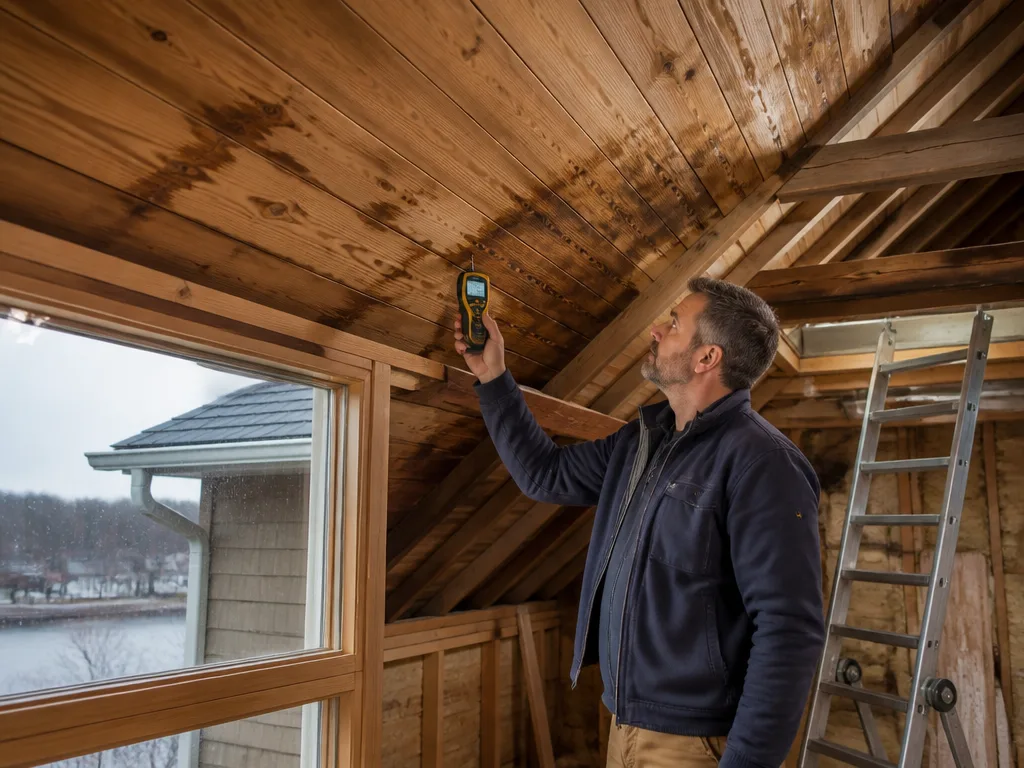
Massachusetts Water Pros provides a statewide service footprint. A restoration specialist will begin with a clean walkthrough, then use specialized equipment to quantify moisture levels and trace the source. You’ll receive a written plan, materials listed, and a phased schedule. It’s not about rushing; it’s about doing the job right the first time.
Practical tips for homeowners
- Document the problem area with dates and photos.
- Keep areas clear for access to walls and ceilings during the inspection.
- Ask for a written step-by-step plan and a realistic timeline.