
Why seasons matter for moisture control
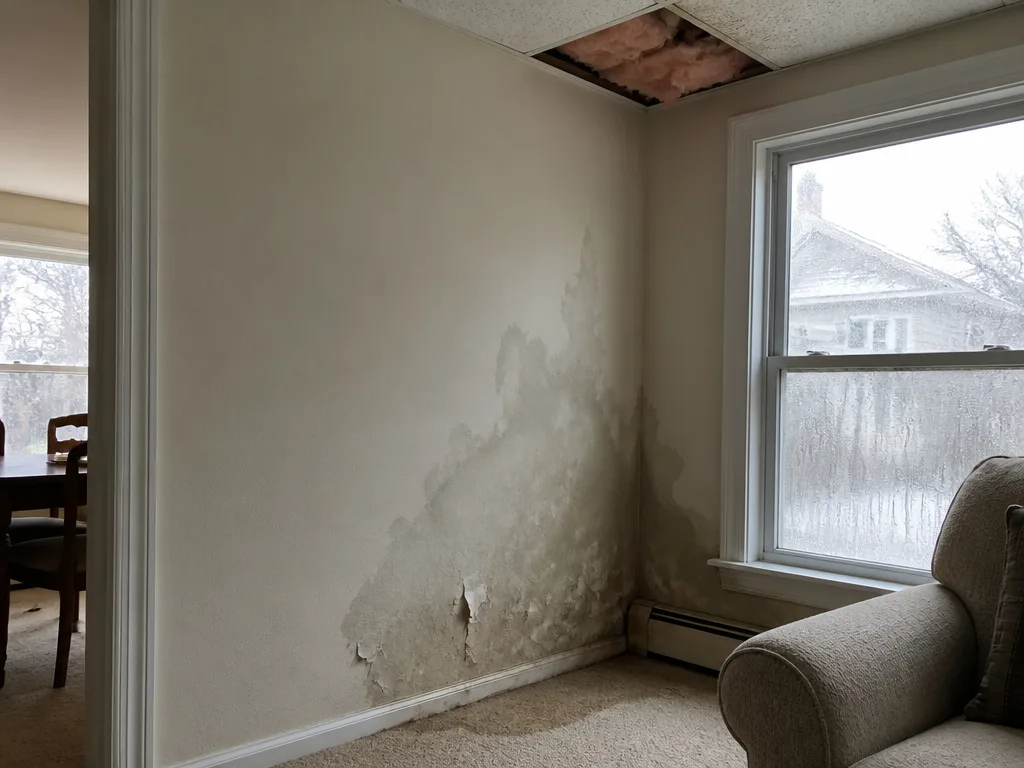
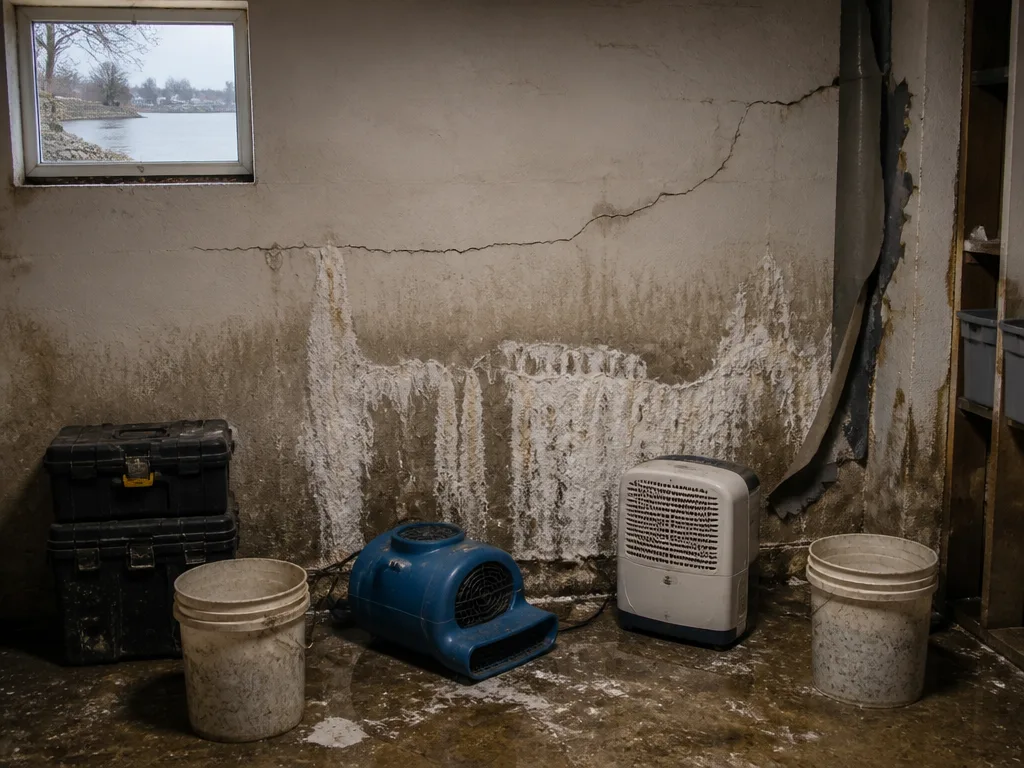
Massachusetts has distinct seasons that stress homes differently. Winter walls can sweat when indoor heat meets cold exterior surfaces. Spring rains bring new moisture into basements and crawl spaces. Summer humidity peaks can feed mold along poorly ventilated areas. A seasonal plan keeps moisture in check before problems escalate.
Seasonal checks you can rely on
Begin with a practical routine: run a dehumidifier in problem zones during humid months, inspect roofs and gutters after heavy rainfall, and monitor basement or crawl space vents. A restoration specialist can help tailor checks for your home, but a basic schedule works across Massachusetts.
Early spring is a good time for a professional assessment to verify that winter moisture didn’t sneak into the structure. Late fall, after the growing season, is another solid window to catch potential issues before heating season begins in earnest.
What a statewide prevention plan looks like
Massachusetts Water Pros recommends a simple annual cycle: quick visual checks, a professional inspection every 12 months, and a moisture focus in seasons with higher risk. The aim is to catch signs early, so restoration specialists can intervene before damage spreads across rooms or floors.
Practical actions for homeowners
Small steps add up: repair leaky gutters promptly, ensure grading slopes away from the foundation, and use exhaust fans in bathrooms and kitchens to reduce humidity. If you notice damp spots after storms or seasonal shifts, don’t wait. Contact a restoration specialist who serves Massachusetts statewide for an assessment and a plan.
Quick reference checklist
- Inspect foundation edges for cracks after heavy rain.
- Keep indoor humidity below 60 percent where possible.
- Review attic ventilation and insulation to prevent condensation.